
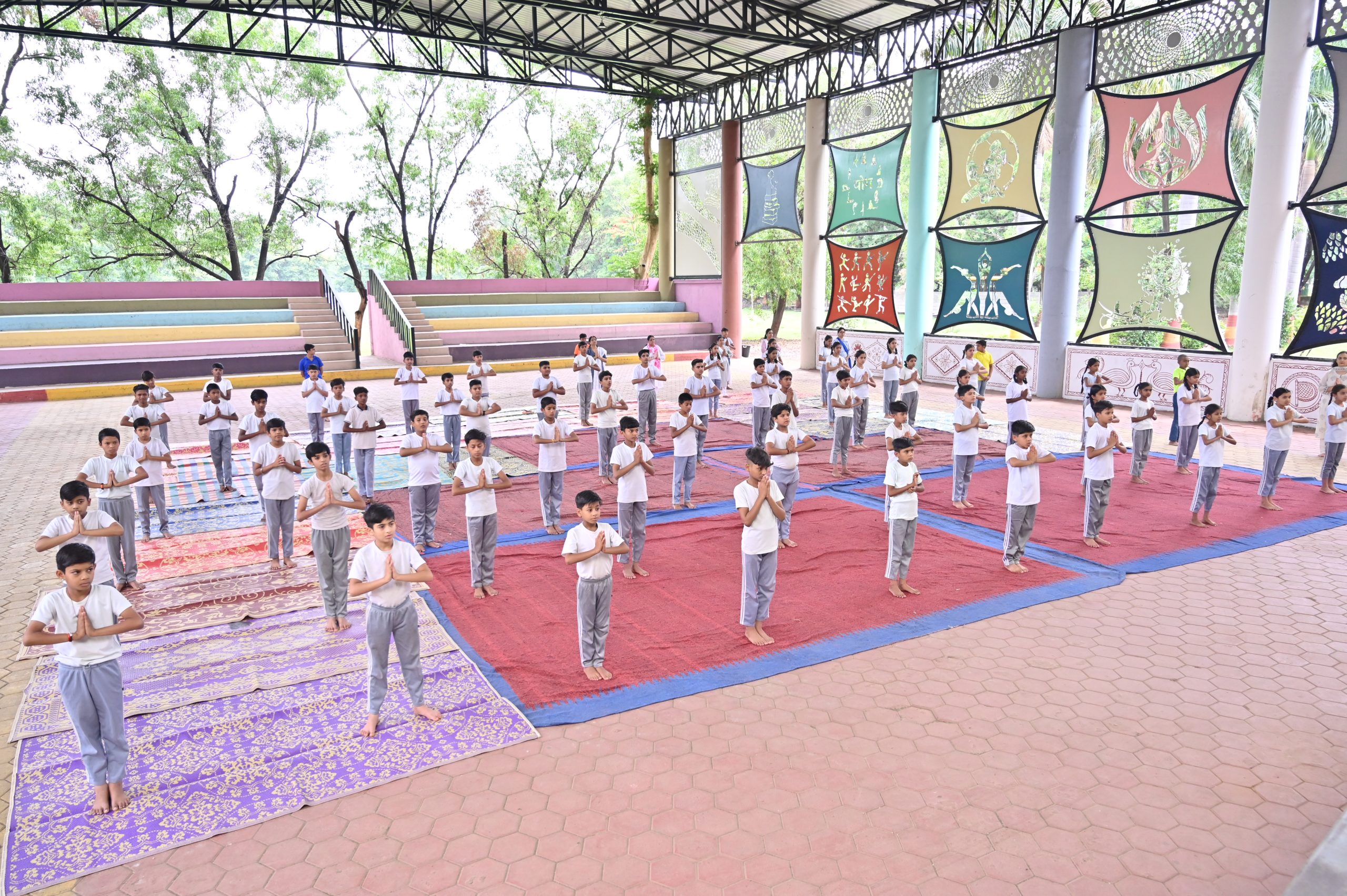
School infrastructure forms the physical foundation of an effective educational ecosystem, directly influencing student enrollment, academic performance, and overall well-being. Rather than acting as a static background, modern facilities serve as a dynamic tool that supports interactive learning and diverse teaching methods.This comprehensive guide outlines the essential pillars, future-ready trends, and legal benchmarks required to design and maintain high-performing school infrastructure.
1. Academic & Learning Spaces
- Smart Classrooms: Well-ventilated spaces featuring ergonomic furniture, ample natural lighting, and modular layouts for group work.
- Advanced Laboratories: Dedicated rooms for Physics, Chemistry, and Biology equipped with standard safety gear and modern apparatus.
- ICT Labs: Multi-device computer labs maintaining ideal student-to-device ratios and high-speed broadband internet.
- Resource Libraries: Spacious, quiet environments housing diverse physical book collections alongside digital search terminals.

2. Health, Wellness & Recreation
- Athletic Facilities: Outdoor sports fields, running tracks, and designated indoor courts for games like basketball or table tennis.
- Sanitation Hubs: Gender-segregated, hygienic restrooms on every floor with clean running water and strict maintenance schedules.
- Medical Rooms: A fully equipped first-aid station staffed with trained professionals to manage daily illnesses or sudden emergencies.
- Dining Facilities: Large, clean cafeterias or dining halls that separate eating zones from standard academic study spaces.